
Introduction
With the increase of renewable energy projects globally, solar power systems are now a fundamental aspect of how electricity is currently generated on Earth. Like wind turbines, solar plants are structured with specialized electrical components to improve processed solar energy into usable electric power and exercise the ability onto a grid system. The inverter duty transformer is one of the most significant components within these systems.
An osmosis of the solar inverters duty transformer technology is critical. They are tailored to be used with the interconnection of solar inverters and the exceptional electrical environments that renewable energy resources provide.
In this article, we will answer some of the common questions asked about solar inverter duty transformers while explaining their importance in a solar power plant.
What Is a Solar Inverter Duty Transformer?
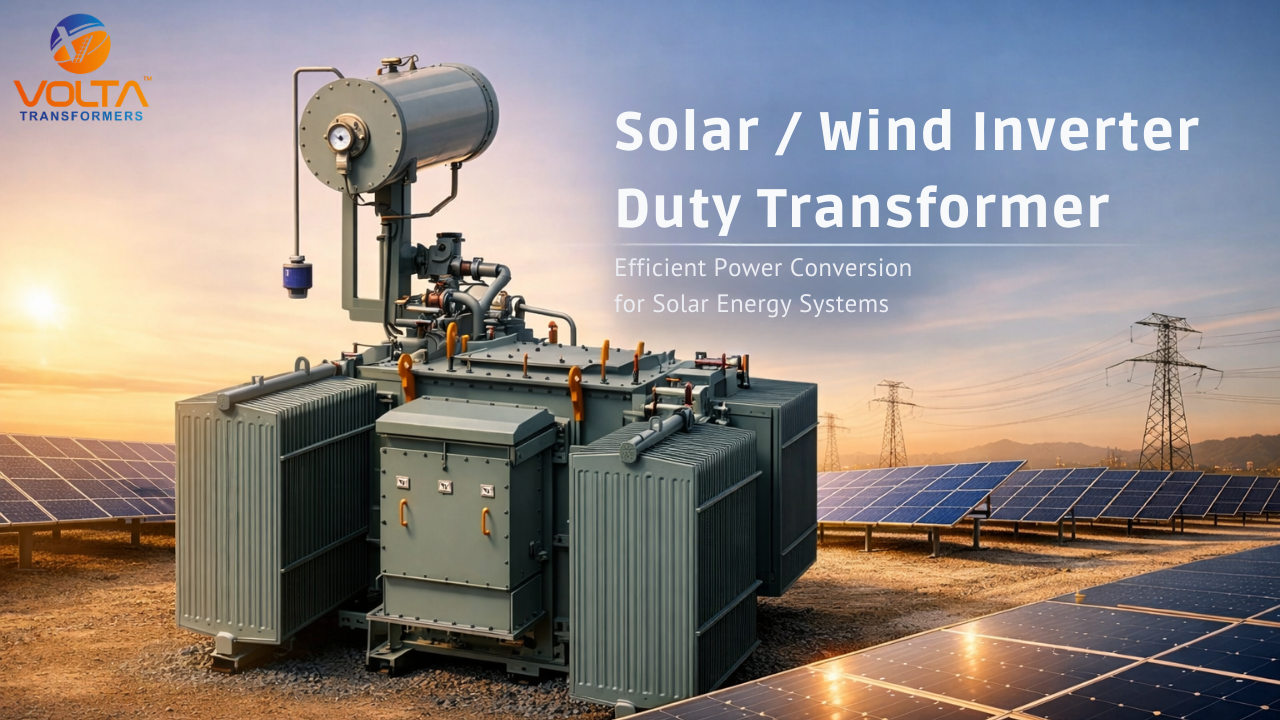
A solar inverter duty transformer is a specialized type of transformer that is used in photovoltaic (PV) power systems to transform the voltage levels for solar inverters. Solar panels produce direct current (DC), and to supply that to the power grid, they need conversion into alternating current (AC) through the use of inverters.
It transforms the inverter output voltage higher to match the grid voltage level for seamless and stable power transfer. For more about problems with solar wind inverter duty transformer solutions — equipment commonly used in modern power systems for renewable energy.
These transformers under design are capable of dynamically varying loads and harmonic currents produced from inverter-based grid.
Why Are Inverter Duty Transformers Important in Solar Plants?
Power generation with solar energy is highly influenced by environmental factors like intensity of sunlight and changes in weather. This means solar panels can produce different amounts of electricity throughout the day.
A solar inverter duty transformer addresses these fluctuating power levels while providing stable feed-in into the electric grid.
Key benefits include:
- Efficient voltage conversion
- Improved system stability
- Better handling of harmonic distortions
- Enhanced protection for grid-connected systems
These characteristics contribute to the reliable and safe operation of solar plants even with varying operating conditions.
How Is a Solar Inverter Duty Transformer Different from a Conventional Transformer?
While conventional transformers and inverter duty transformers do perform voltage transformation, they differ in their approaches.
Inverter-based systems exhibit characteristics that require specific engineering of solar inverter duty transformers.
Some key differences include:
- Processing potential harmonic currents induced by inverters
- Insulation membranes for fluctuating loads
- Higher tolerance for electrical fluctuations
- Specialized winding configurations
These components enable inverter duty transformers to perform in renewable energy settings.
What Are the Key Design Features?
Inverter duty transformers are designed with certain features that make them well-suited for solar power applications.
Important features include:
- Strong insulation systems that would be able to withstand voltage fluctuations
- Higher efficiency with advanced core materials
- Thermal design for dealing with dynamic loads
- Harmonic mitigation capability
This means they can operate reliably even as levels of solar generation vary throughout the day.
Effective design of utility-grade transformer systems is crucial in ensuring that solar inverter duty transformers perform effectively at renewable energy facilities.
Where Are Solar Inverter Duty Transformers Used?
In reverse, these transformers are commonly found in inverter based renewable energy systems.
Common applications include:
- Utility-scale solar power plants
- Rooftop solar installations
- Hybrid renewable energy systems
- Integrating solar and wind power plants
They help stabilize voltage levels and facilitate the safe transmission of power between solar inverters and the grid.
What Factors Should Be Considered When Selecting One?
In the process of choosing the appropriate solar transformer, it is key to assess system requirements.
Engineers usually take into account the following:
- Power rating and capacity
- Grid voltage requirements
- Harmonic levels from inverters
- Cooling and insulation systems
- Environmental installation conditions
Correct selection guarantees that the transformer will function reliably during the entire time of service of solar plant.
Properly choosing duty transformers for use with solar inverters can enhance system reliability and avoid problems during operation.
How Do These Transformers Improve System Efficiency?
The power output of renewable energy systems is much more directly affected by energy losses since, in most cases, flow systems are subject to substantial heat dissipation.
They use advanced materials and optimized windings to minimize energy losses while in operation. The way they are built means that they can work even when solar generation levels vary.
These transformers optimize the energy flowing from solar inverters into the electrical supply by minimizing energy losses and stabilizing end voltage.
Conclusion
So, if you are a service provider or operator in the solar energy industry, you need to know more about solar inverter duty transformers. These devices are crucial for linking solar power generation systems to electrical grids while ensuring stable voltage and efficient energy transfer.
These transformers are specifically constructed as inverter-based power systems produce variable loads and harmonic currents. These robots have advanced design features that ensure operational reliability in solar power plants and renewable energy installations.
Engineers and developers will always have the right equipment type with an understanding of the solar inverter duty transformer technology. Well-designed transformers make solar power plants more effective, reliable, and durable over time.

Leave a Comment