- +91 72280 10925
- [email protected]
- 148,133, Aatmiya 2 Industrial Park, Nh 48, Bamangam, Vadodara

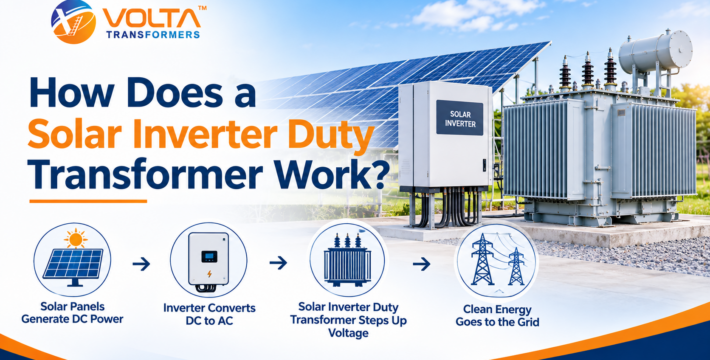
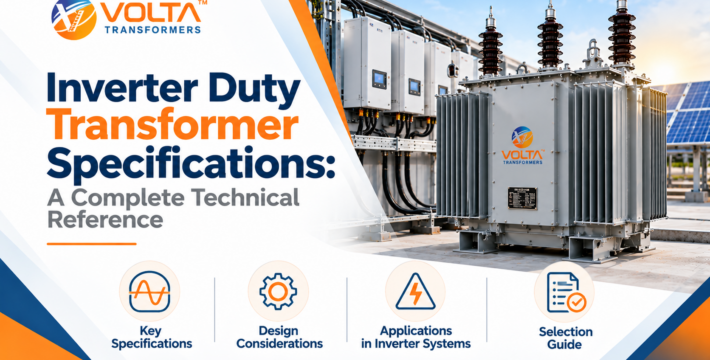
A solar inverter duty transformer receives low-voltage AC from one or more inverters and steps it up through electromagnetic induction to the collection or grid voltage. It also isolates the inverter circuit from the network and tolerates the harmonics and fluctuating load that power electronics create. Without this stage, however, solar power could not be […]
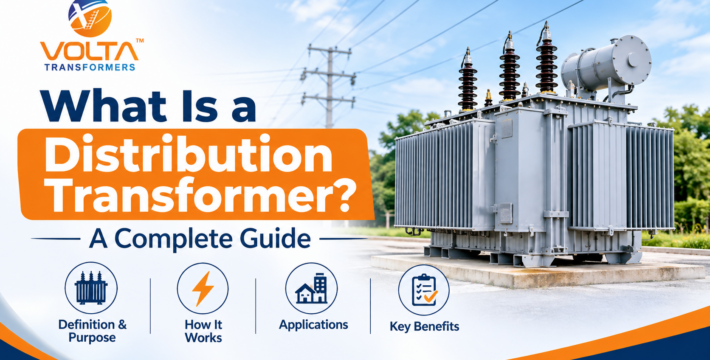
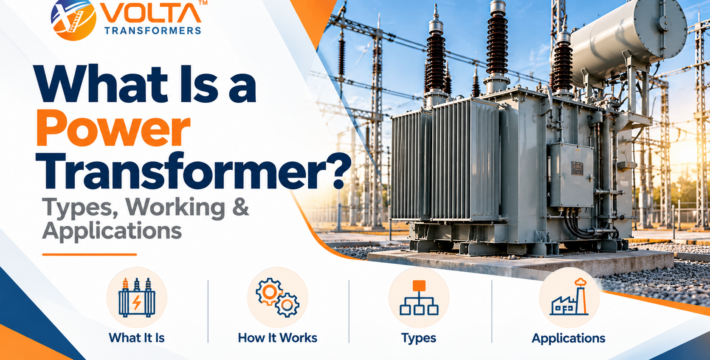
Electricity travels long distances at very high voltage, but homes, shops and factories cannot use power at that level. A distribution transformer closes that gap. It sits at the end of the power network and reduces voltage to a safe, usable level for consumers. Many readers ask what a distribution transformer is and why every […]
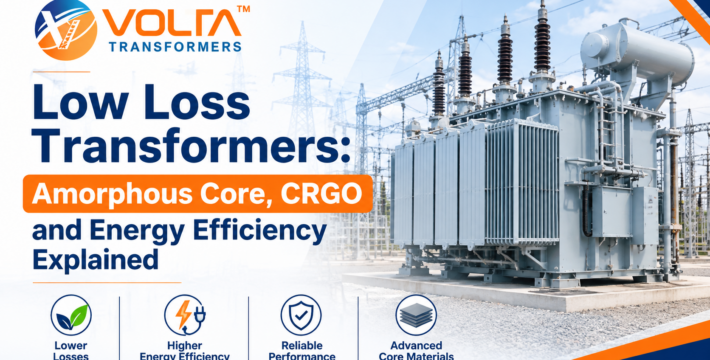
A distribution transformer is energised 24 hours a day, 365 days a year, whether it is feeding a full load or almost nothing. That is why transformer core loss, the energy a transformer consumes simply by being switched on, deserves as much attention as its price and kVA rating. Over a service life of 25 […]
Connecting a solar or wind plant to the grid means stepping inverter output of a few hundred volts up to 11 kV or 33 kV. Choosing an inverter duty transformer for that job takes more than matching a kVA or MVA rating. Voltage compatibility, harmonic loading, insulation, thermal performance and grid integration all matter. Together, […]
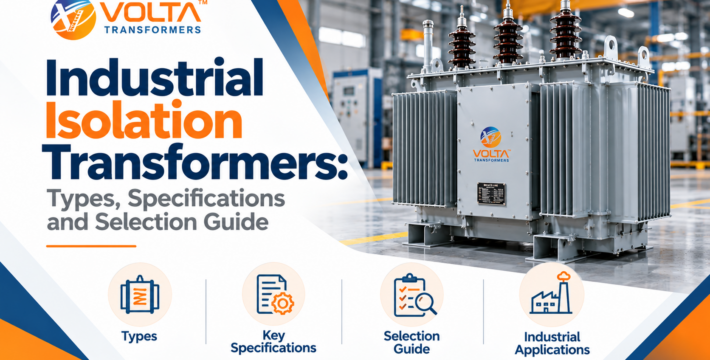
What Is an Isolation Transformer? An isolation transformer keeps its primary and secondary windings electrically separate. Energy crosses between them through the magnetic field in the core, so no conductor links the supply to the load. Engineers call that separation galvanic isolation. Isolation and voltage conversion are different jobs. Plenty of units are 1:1, and […]
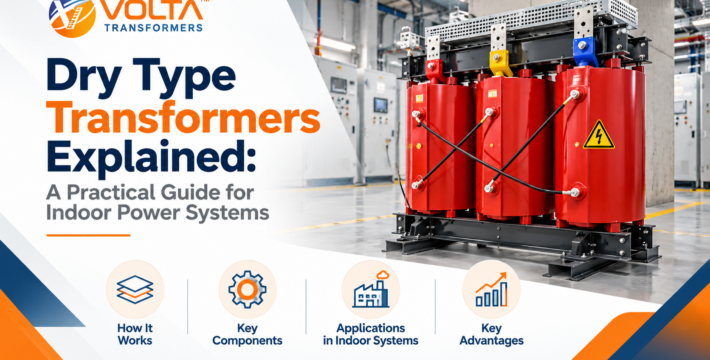
Picture the electrical room in a hospital basement. It sits under patient wards, close to the people who depend on it, and there is very little space to spare. Whatever transformer goes in there has to run for years without drama, fit the room, and avoid adding fire or spill risks to a building full […]
Picture the electrical room in a hospital basement. It sits under patient wards, close to the people who depend on it, and there is very little space to spare. Whatever transformer goes in there has to run for years without drama, fit the room, and avoid adding fire or spill risks to a building full […]
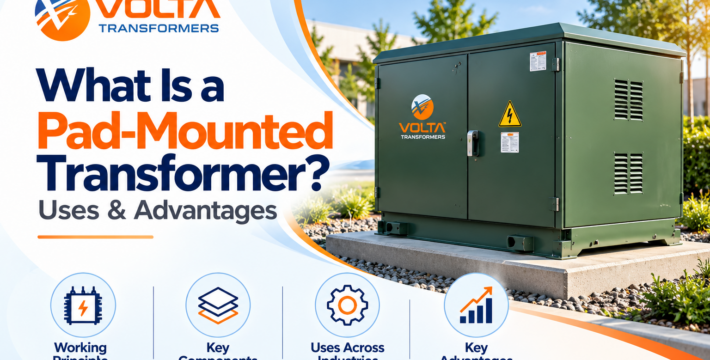
Reliable power distribution depends on equipment that sits close to the load, stays safe around people, and keeps working outdoors for years. So, what is a pad-mounted transformer, and why is it so common wherever cables run underground? It is a distribution transformer housed in a locked, tamper-resistant steel enclosure and installed at ground level […]
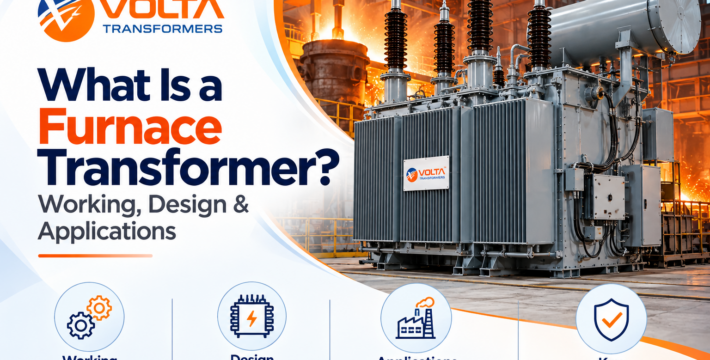
An electric furnace is a hungry load. Melting a charge of scrap steel can draw several megawatts or more at only a few hundred volts, which means thousands of amperes. On top of that, the draw never stays steady. So, what is a furnace transformer? It is the unit between the power grid and an […]
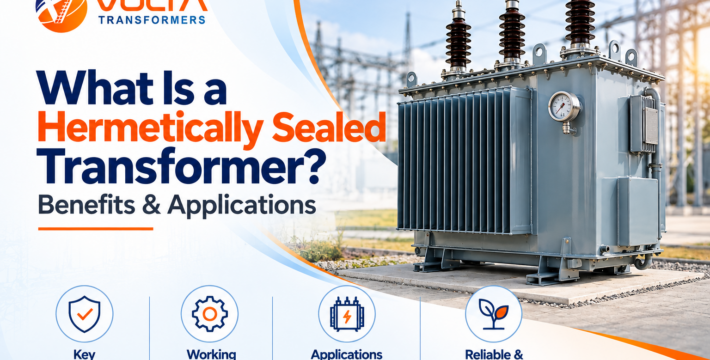
A hermetically sealed transformer is an oil-filled transformer whose tank stays completely closed, so the insulating oil never comes into contact with outside air. Unlike a conventional oil-immersed transformer, it has no conservator tank or breather. Instead, the tank itself, usually with corrugated walls, absorbs oil expansion and contraction as the temperature changes. Because it […]